
أخبار الجامعة
كن على علم بكل جديد
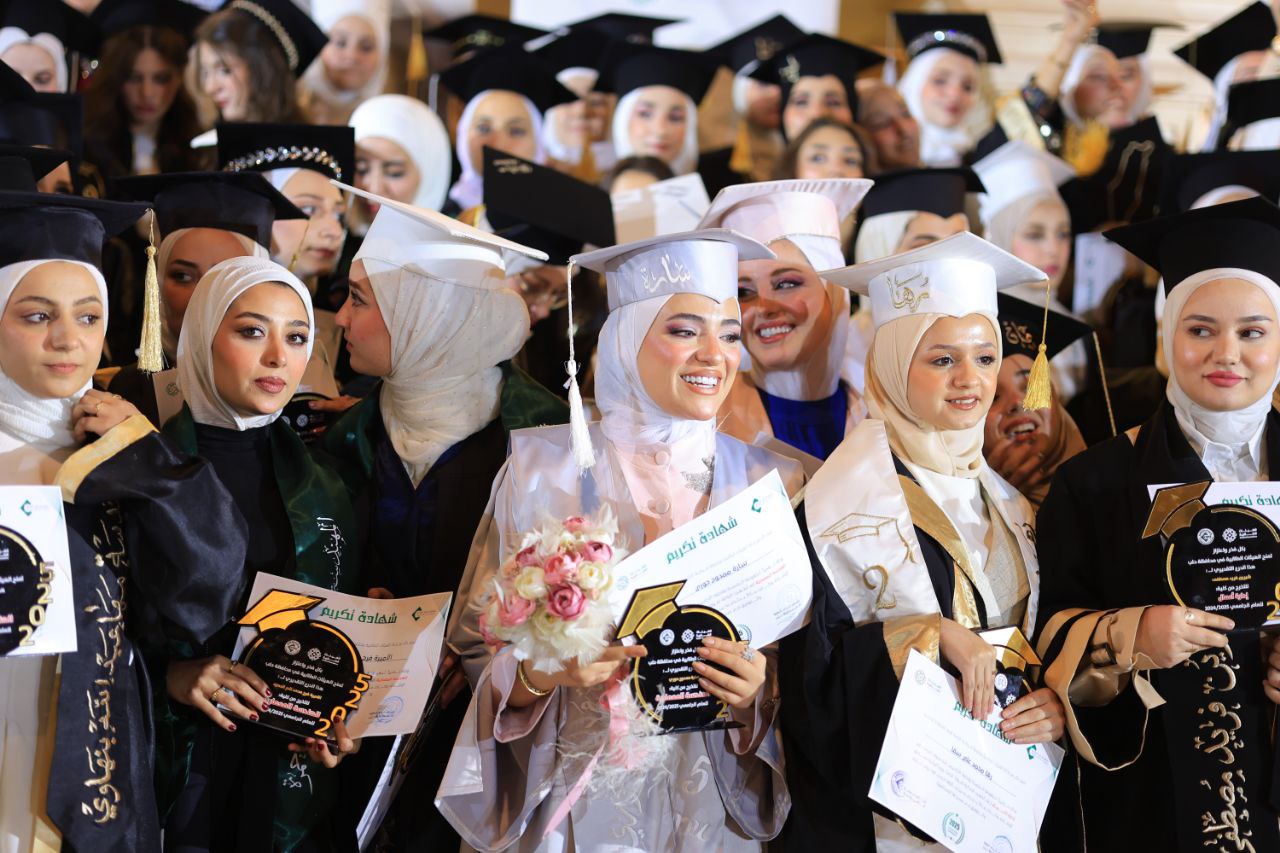
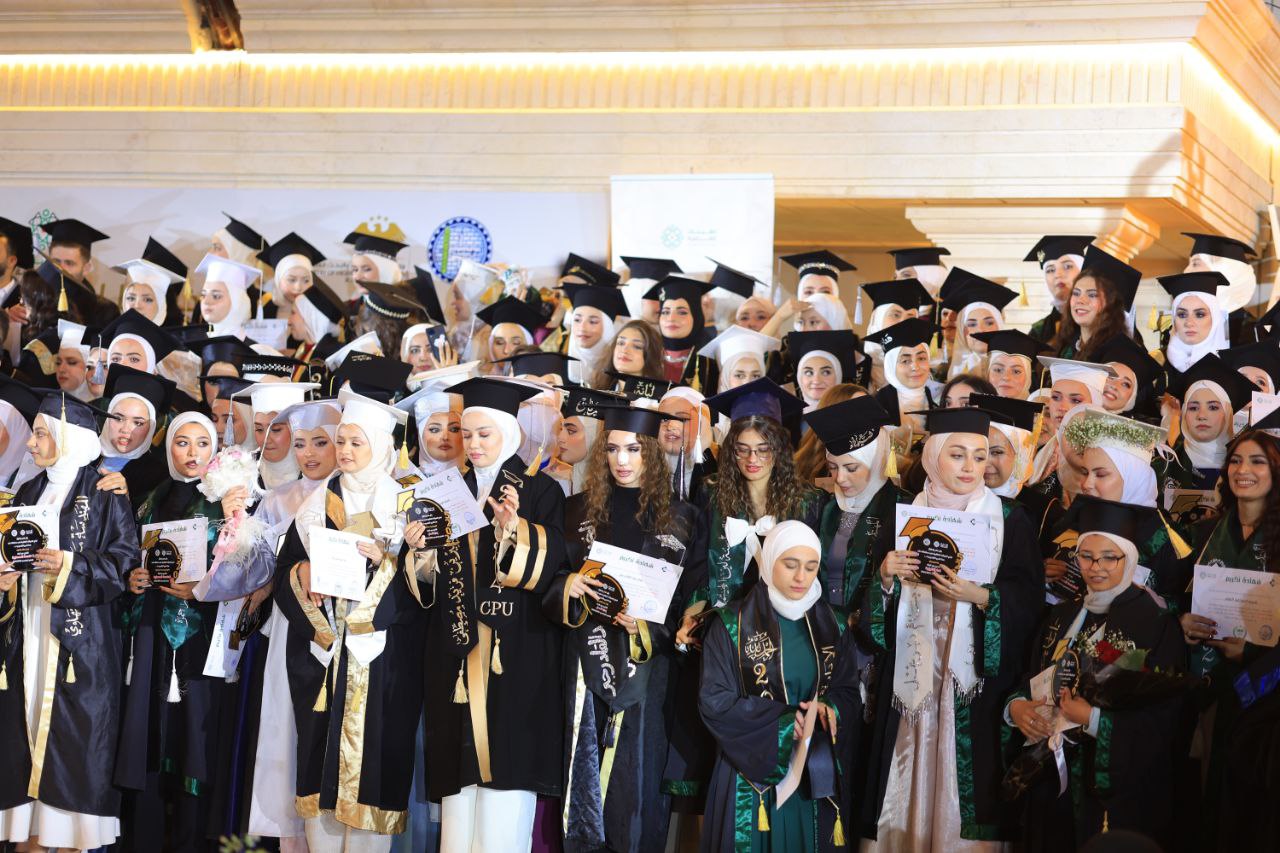
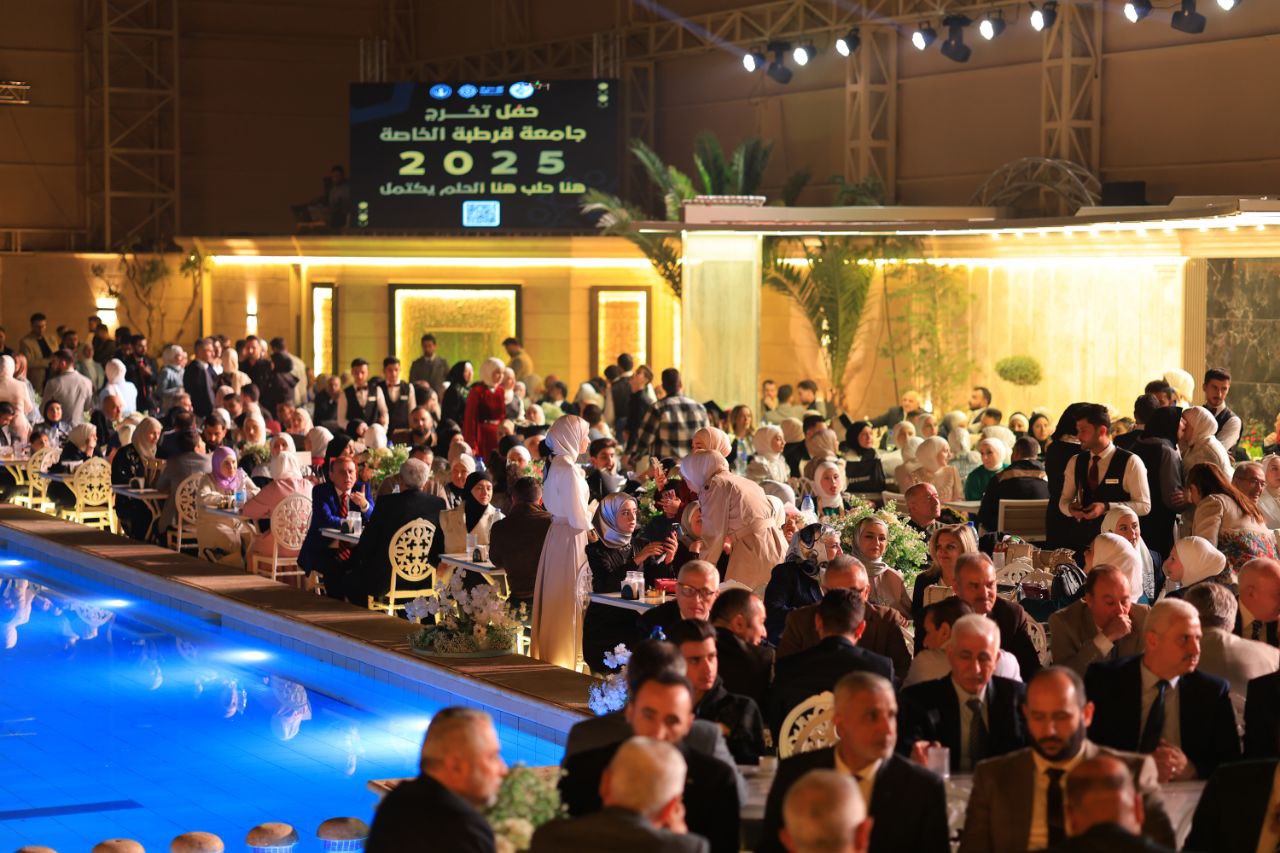
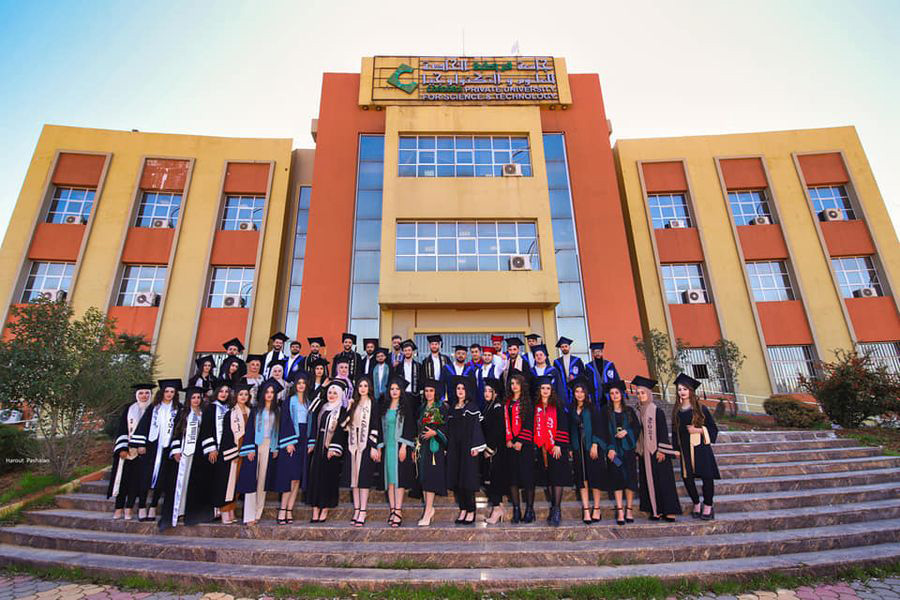
كليات الجامعة
كلية الهندسة
- فرع القامشلي
- فرع حلب
كلية العلوم الإدارية والمالية
- فرع القامشلي
- فرع حلب
كلية اللغات الحية والعلوم الإنسانية
- فرع حلب
كلية طب الأسنان
- فرع حلب
كلية الهندسة المعمارية
- فرع حلب
الوظائف الشاغرة
كن أحد نجومنا الساطعة

شاغر عضو هيئة تدريسية - كلية الإدارة - القامشلي
(اختصاص في مجال إدارة الأعمال) نرحب بانضمامكم إلى كوادر جامعة قرطبة الخاصة.

شاغر عضو هيئة فنية - كلية الإدارة - قامشلي
عضو هيئة فنية (اختصاص إدارة الأعمال) نرحب بانضمامكم إلى كوادر جامعة قرطبة الخاصة.

شاغر عضو هيئة تدريسية - كلية الهندسة - قامشلي
(اختصاص في مجال المعلوماتية) نرحب بانضمامكم إلى كوادر جامعة قرطبة الخاصة.

شاغر عضو هيئة تدريسية - كلية الهندسة - قامشلي
( اختصاص في مجال الحاسبات) نرحب بانضمامكم إلى كوادر جامعة قرطبة الخاصة.

شاغر عضو هيئة تدريسية - كلية الهندسة - قامشلي
(اختصاص في مجال الالكترون) نرحب بانضمامكم إلى كوادر جامعة قرطبة الخاصة.
شاغر عضو هيئة تدريسية - كلية الهندسة - قامشلي
(اختصاص في مجال اللغة الإنجليزية) نرحب بانضمامكم إلى كوادر جامعة قرطبة الخاصة.
شاغر عضو هيئة تدريسية - كلية الهندسة - قامشلي
(اختصاص في مجال علم الحاسوب) نرحب بانضمامكم إلى كوادر جامعة قرطبة الخاصة.
شاغر عضو هيئة تدريسة - كلية الهندسة - قامشلي
(اختصاص في مجال علم الحياة- كلية التربية) نرحب بانضمامكم إلى كوادر جامعة قرطبة الخاصة.
شاغر عضو هيئة فنية- كلية الهندسة - قامشلي
(عضو هيئة فنية -اختصاص في مجال علم حاسوب) نرحب بانضمامكم إلى كوادر جامعة قرطبة الخاصة.
شاغر عضو هيئة فنية - كلية الهندسة - قامشلي
(عضو هيئة فنية - اختصاص في الفيزياء) نرحب بانضمامكم إلى كوادر جامعة قرطبة الخاصة.
شاغر عضو هيئة فنية- كلية الهندسة - قامشلي
(عضو هيئة فنية - اختصاص في مجال الالكترون) نرحب بانضمامكم إلى كوادر جامعة قرطبة الخاصة.
شاغر عضو هيئة فنية- كلية الهندسة - قامشلي
(عضو هيئة فنية -اختصاص في مجال الاتصالات) نرحب بانضمامكم إلى كوادر جامعة قرطبة الخاصة.
شاغر عضو هيئة فنية- كلية الهندسة - قامشلي
(عضو هيئة فنية - اختصاص في مجال الكهرباء) نرحب بانضمامكم إلى كوادر جامعة قرطبة الخاصة.
شاغر عضو هيئة فنية - كلية الهندسة - قامشلي
(عضو هيئة فنية - اختصاص في مجال الرياضيات) نرحب بانضمامكم إلى كوادر جامعة قرطبة الخاصة.
شاغر عضو هيئة فنية- كلية الإدارة - قامشلي
(عضو هيئة فنية - اختصاص في مجال المحاسبة) نرحب بانضمامكم إلى كوادر جامعة قرطبة الخاصة,

شاغر عضو هيئة تدريسية - كلية الهندسة - ريف حلب
(اختصاص في مجال الحواسيب) نرحب بانضمامكم إلى كوادر جامعة قرطبة الخاصة

شاغر عضو هيئة تدريسية - كلية الهندسة - ريف حلب
(اختصاص في مجال المعلوماتية) نرحب بانضمامكم إلى كوادر جامعة قرطبة الخاصة

شاغر عضو هيئة تدريسية - كلية الهندسة - ريف حلب
(اختصاص في مجال الرياضيات - انفورماتيك) نرحب بانضمامكم إلى كوادر جامعة قرطبة الخاصة,

شاغر عضو هيئة فنية - كلية الهندسة - ريف حلب
(عضو هيئة فنية - اختصاص في مجال الحواسيب/المعلوماتية) نرحب بانضمامكم إلى كوادر جامعة قرطبة الخاصة,

شاغر عضو هيئة تدريسية - كلية الهندسة المعمارية - ريف حلب
(اختصاص في مجال التصميم المعماري) نرحب بانضمامكم إلى كوادر جامعة قرطبة الخاصة,

شاغر عضو هيئة فنية - كلية الهندسة المعمارية - ريف حلب
(عضو هيئة فنية - اختصاص في التصميم المعماري) نرحب بانضمامكم إلى كوادر جامعة قرطبة الخاصة,

شاغر عضو هيئة تدريسية - كلية الهندسة المعمارية - ريف حلب
(اختصاص تخطيط المدن والبيئة) نرحب بانضمامكم إلى كوادر جامعة قرطبة الخاصة,

شاغر عضو هيئة فنية - كلية الهندسة المعمارية - ريف حلب
(عضو هيئة فنية - اختصاص في تخطيط المدن والبيئة) نرحب بانضمامكم إلى كوادر جامعة قرطبة الخاصة,

شاغر عضو هيئة تدريسية - كلية الهندسة المعمارية - ريف حلب
(اختصاص في نظريات تاريخ العمارة) نرحب بانضمامكم إلى كوادر جامعة قرطبة الخاصة,

شاغر عضو هيئة فنية - كلية الهندسة المعمارية - ريف حلب
(عضو هيئة فنية - اختصاص إعادة تأهيل مدن إسلامية) نرحب بانضمامكم إلى كوادر جامعة قرطبة الخاصة,
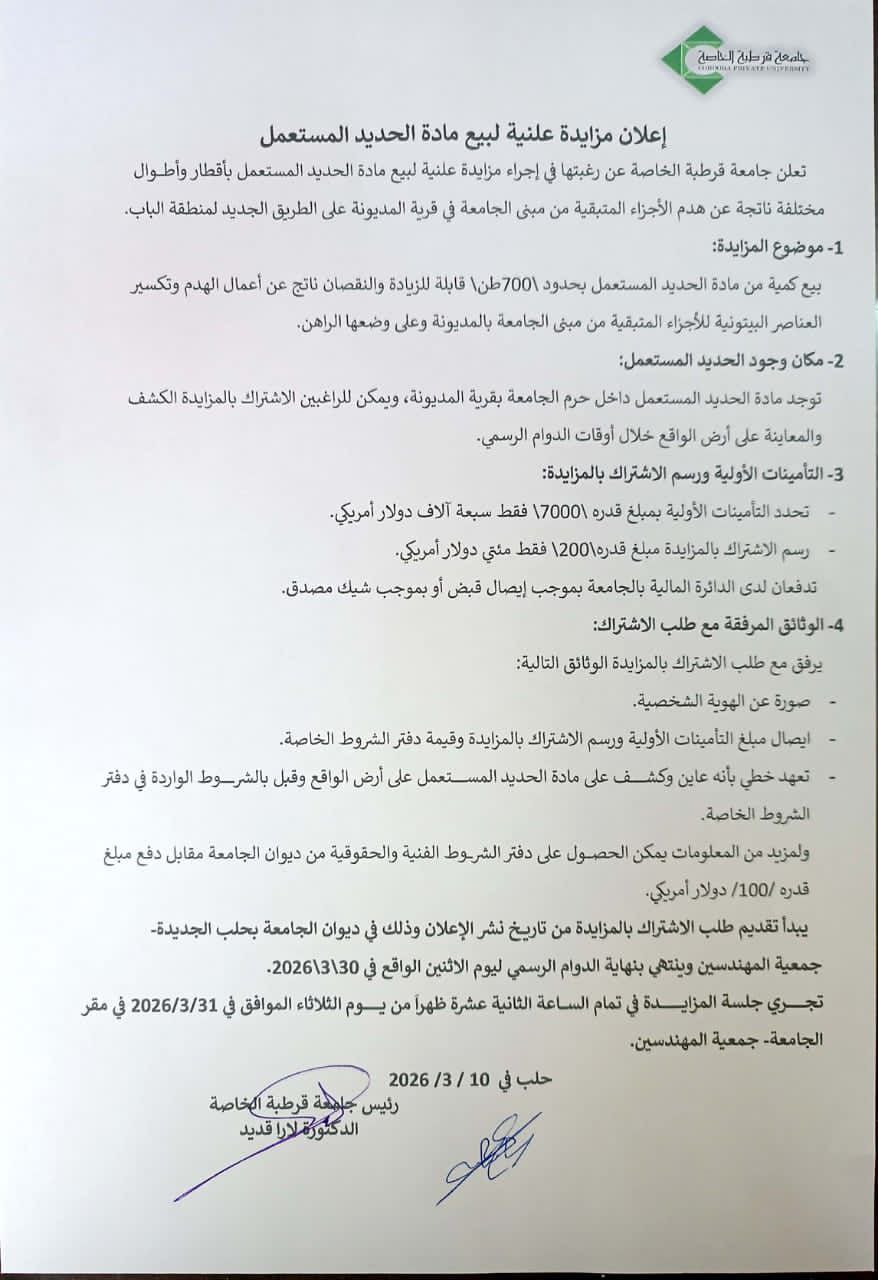
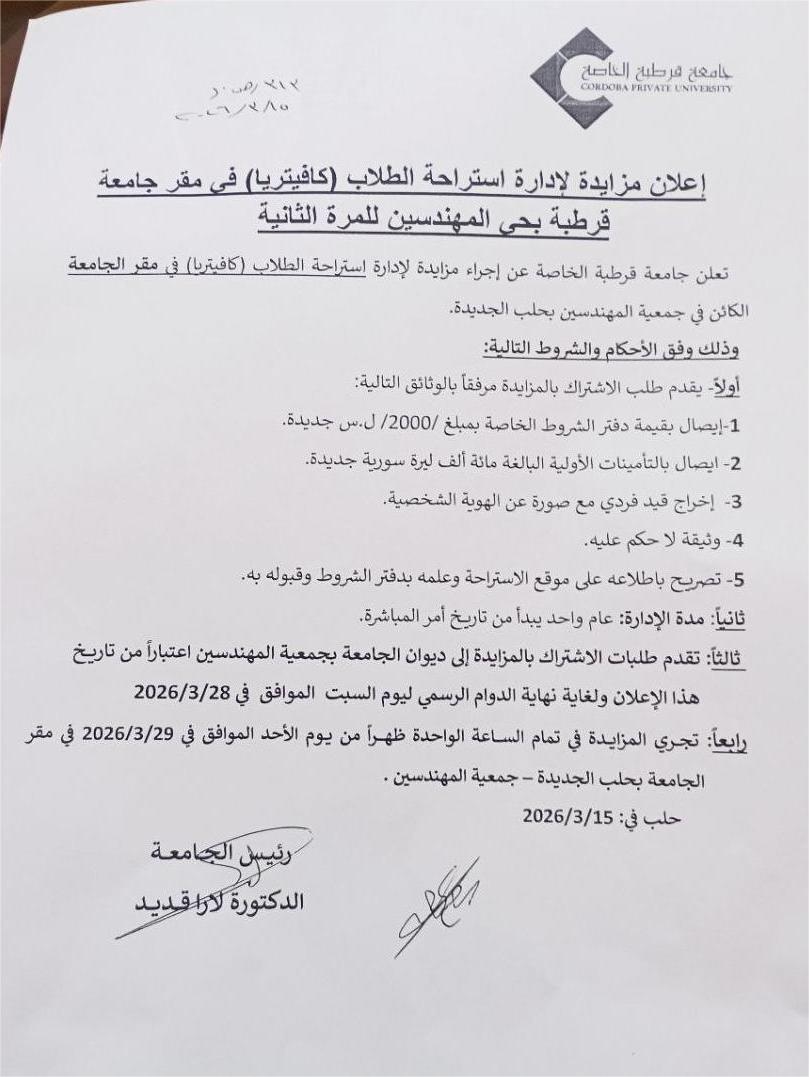
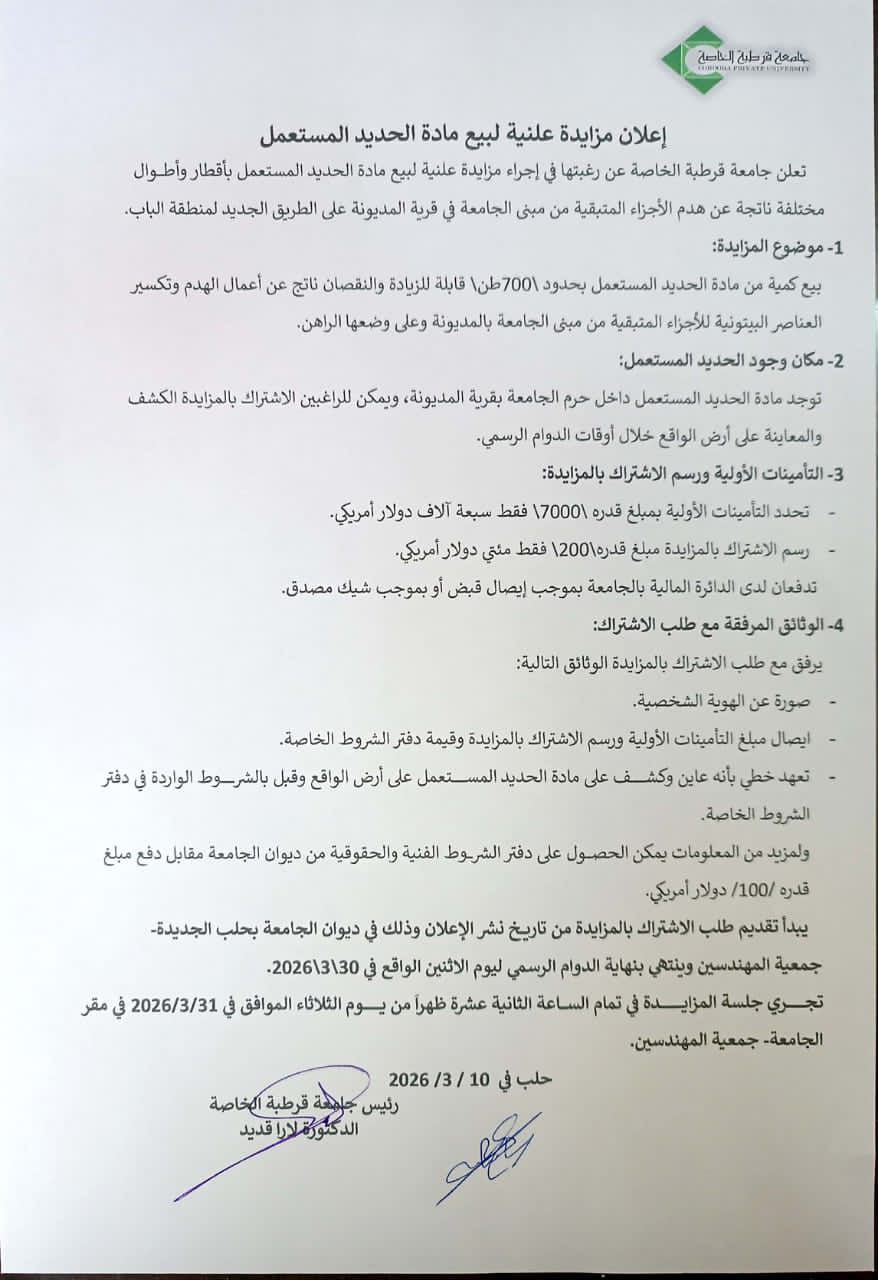
الأبحاث
كلية طب الأسنان
رفاه قاسم
Assessing Oral Health Attitudes among Preclinical and Clinical Dental Students: A Cross-sectional Study at Cordoba Private University, Syria
Abstract Aim: This cross-sectional study aimed to assess and compare the oral health attitudes of preclinical and clinical dental students at Cordoba Private University in Syria using the Hiroshima University–Dental Behavior Inventory (HU–DBI) questionnaire, while also examining differences by gender and specific questionnaire items to identify behavioral patterns that could guide future educational improvements. Materials and methods: A total of 331 students participated, with the first 3 academic years classified as preclinical (187 students) and the final 2 years as clinical (144 students). The 20-item HU–DBI questionnaire in a paper-based format (hard copy) assessed oral health attitudes and behaviors with agree/disagree responses. Scores range from 0 to 19, with higher scores reflecting better oral health behavior. One point was awarded based on specific agree/disagree responses. Data were analyzed using the Kolmogorov–Smirnov test, Chi-square test, and Mann–Whitney U test. A p-value of < 0.05 was considered statistically significant. Results: No significant difference in mean score between the two groups was analyzed; however, clinical (advanced years) students exhibit significantly better behaviors in certain key areas, such as frequent brushing (p = 0.001), brushing professionally (p = 0.001), and eating less sweets (p = 0.003), compared to preclinical students, indicating positive effects of dental education in those domains. Conclusion: Clinical students exhibit significantly better behaviors in certain key areas, such as frequent brushing, brushing professionally, and eating fewer sweets, compared to preclinical students. However, many other aspects of oral health attitude did not differ notably between junior and senior students, and worrisome habits like increased heavy smoking in the clinical years were identified. Clinical significance: Understanding the evolution of dental students’ oral health attitudes is essential, as they serve as future role models. While education improves certain behaviors, the persistence of negative habits like smoking highlights the need for targeted interventions in the curriculum.
The Journal of Contemporary Dental Practice - 25-10-Oct
تحميل
محمود طعمة
Assessing Oral Health Attitudes among Preclinical and Clinical Dental Students: A Cross-sectional Study at Cordoba Private University, Syria
Abstract Aim: This cross-sectional study aimed to assess and compare the oral health attitudes of preclinical and clinical dental students at Cordoba Private University in Syria using the Hiroshima University–Dental Behavior Inventory (HU–DBI) questionnaire, while also examining differences by gender and specific questionnaire items to identify behavioral patterns that could guide future educational improvements. Materials and methods: A total of 331 students participated, with the first 3 academic years classified as preclinical (187 students) and the final 2 years as clinical (144 students). The 20-item HU–DBI questionnaire in a paper-based format (hard copy) assessed oral health attitudes and behaviors with agree/disagree responses. Scores range from 0 to 19, with higher scores reflecting better oral health behavior. One point was awarded based on specific agree/disagree responses. Data were analyzed using the Kolmogorov–Smirnov test, Chi-square test, and Mann–Whitney U test. A p-value of < 0.05 was considered statistically significant. Results: No significant difference in mean score between the two groups was analyzed; however, clinical (advanced years) students exhibit significantly better behaviors in certain key areas, such as frequent brushing (p = 0.001), brushing professionally (p = 0.001), and eating less sweets (p = 0.003), compared to preclinical students, indicating positive effects of dental education in those domains. Conclusion: Clinical students exhibit significantly better behaviors in certain key areas, such as frequent brushing, brushing professionally, and eating fewer sweets, compared to preclinical students. However, many other aspects of oral health attitude did not differ notably between junior and senior students, and worrisome habits like increased heavy smoking in the clinical years were identified. Clinical significance: Understanding the evolution of dental students’ oral health attitudes is essential, as they serve as future role models. While education improves certain behaviors, the persistence of negative habits like smoking highlights the need for targeted interventions in the curriculum.
The Journal of Contemporary Dental Practice - 25-10-Oct
تحميل

فروعنا
ابحث عنا بالقرب منك

 منبراً للعلم والمعرفة